A shade is made for one month of light
Colour is not a property of a pigment. It is a negotiation between a pigment and whatever light happens to be in the room — and the light in the room changes twelve times a year.
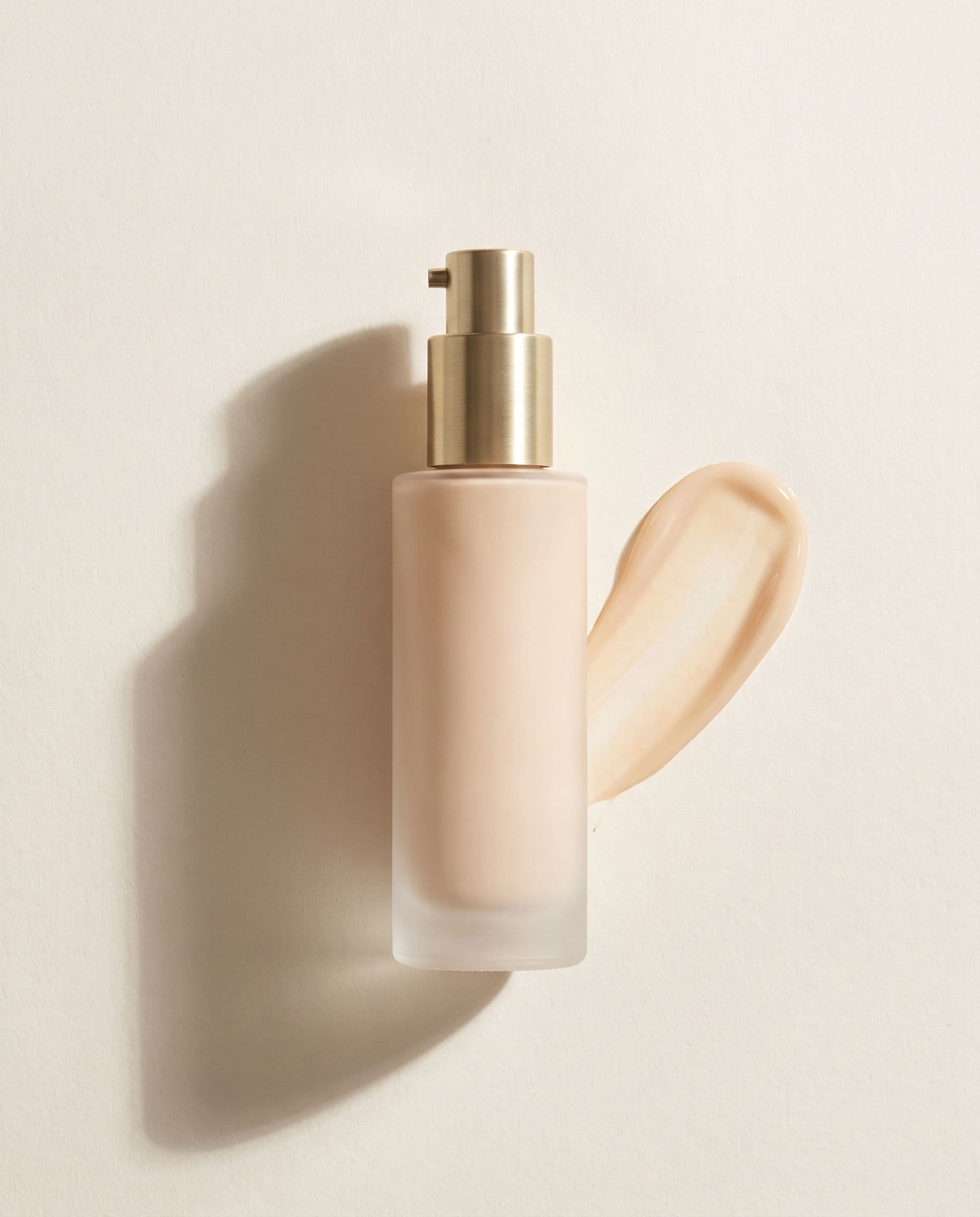
Ask a colourist where a shade lives and they will not name a formula. They will name a window. Every pigment we use is a set of instructions for what to do with the light that reaches it, and the light that reaches it in February is not the light that reaches it in August.
The difference is measurable. Winter light arrives low, thin and blue — the sun sits close to the horizon, the sky does most of the work, and everything warm in a face is pulled a step cooler. Summer light comes down from overhead, carries more of the red end with it, and flatters warmth so generously that a bronzer you loved in July can read orange in November without a single molecule of it having changed.
So we brief a drop against a month rather than against a trend. Before a shade exists there is a note about the light it has to survive: how high the sun will be, how much of it will be sky rather than sun, whether the piece will be seen mostly at four in the afternoon or mostly at nine at night.
February’s crimson is the clearest case. In low blue light a warm red goes muddy — the yellow in it has nothing to react with and reads as dust. So the crimson is built cold, with a blue undertone that would look severe in June and looks exactly right across a table, in candlelight, in the shortest month of the year.
June asks for the opposite discipline. At the solstice there is so much light that anything reflective becomes a liability: a particle that reads as a sheen in March turns to hard sparkle when the sun is directly above it. A highlighter made for June has to shine without a single visible fleck, which is a harder formula and the only one that works.
Skin follows the same calendar, and this is the part a permanent line has to ignore. Skin in March is drier, flatter and a shade paler than the same skin in September. A tint mixed to disappear on August skin will sit half a step light in spring. Mixing for one month means never having to average across two.
We test the way you would expect: on faces, outdoors, at the hour the piece is meant to be worn. A shade approved under a lamp is a shade approved under the wrong conditions. It is slow, and it is the only method we trust.
None of this makes a monthly shade better than a permanent one. It makes it narrower. A piece from the Mirevoir year is not built to be the only thing you own. It is built to be exactly right for four weeks, and then to be a record of them.
In praise of running out
Scarcity is usually a tactic. We would like to make the case that it can also be a way of making things — and that a house which runs out is telling you something true about how it works.
4 min
The case for brass
A refillable case is only meaningful if it is worth keeping. Most are not. Why ours is machined from brass, left unlacquered, and outlives the shade it was made for.
4 min
Don’t miss the next one